

Article
The Role of “Crane Hoists” in European Industrial Standards
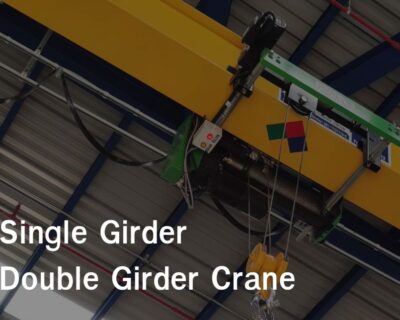
In the global manufacturing and material handling sectors, crane hoists serve as critical infrastructure that drives operational continuity. Given the technological sophistication of the European industrial landscape, the rigorous selection process for these devices is driven by the following key factors:
An Uncompromising Commitment to Safety (Zero Accident Culture)
Regulatory Compliance: Europe maintains some of the world’s most stringent workplace safety regulations. Consequently, all crane hoists must adhere to rigorous international safety benchmarks.
Advanced Protection Systems: European-standard hoists are typically equipped with robust features, including overload protection, dual limit switches, and high-reliability braking systems, effectively mitigating the risk of workplace accidents.
Optimizing Uptime and Operational Efficiency
European facilities emphasize automation and continuous workflow; therefore, any equipment failure can cause significant disruptions to the entire production line.
High-reliability crane hoists minimize the frequency of emergency repairs, ensuring consistent production schedules and long-term operational predictability.
Total Cost of Ownership (TCO)
Although premium European-grade hoists may command a higher initial investment, they offer superior long-term value. When factoring in maintenance costs, spare parts, and energy efficiency, these high-quality systems prove to be a more cost-effective solution over their multi-decade service life.
Conclusion The emphasis placed on crane hoist quality by European manufacturers is not a matter of luxury, but a strategic commitment to employee welfare, business continuity, and industrial sustainability.
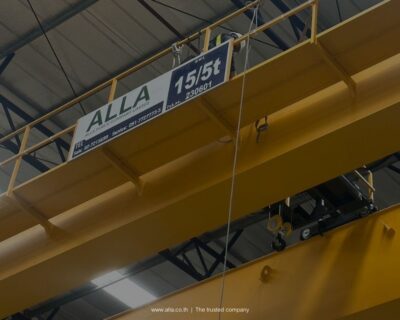
Enhance Your Facility’s Safety and Efficiency with ALLA If you are seeking crane and hoist systems that meet the standards of premier European factories, ALLA is your ideal partner. With extensive expertise in the design, installation, and maintenance of industrial crane systems, our professional engineering team is prepared to conduct on-site evaluations and provide the most efficient, cost-effective solutions for your specific industrial requirements.
Frequently Asked Questions (FAQ):
Q: How do European crane standards differ from conventional standards?
A: They are distinguished by superior safety systems, fatigue-resistant materials, precision control design, and enhanced energy efficiency.
Q: Does ALLA provide comprehensive after-sales support for crane systems?
A: Yes, ALLA provides end-to-end after-sales services, including preventive maintenance, to ensure that your equipment remains safe and operates at peak performance.