

Article
How Regular Crane Inspections Mitigate Workplace Accidents
Regular factory crane inspections are essential for accident mitigation and operational continuity.
The Role of Preventive Maintenance in Accident Reduction Preventive maintenance mitigates risk by identifying and rectifying the degradation of critical components—such as wire ropes, hooks, and braking systems—prior to catastrophic failure or dropped loads. Furthermore, by ensuring the integrity of electrical safety systems, such as limit switches, organizations not only safeguard personnel and assets but also minimize unplanned downtime and ensure strict adherence to industrial safety regulations.
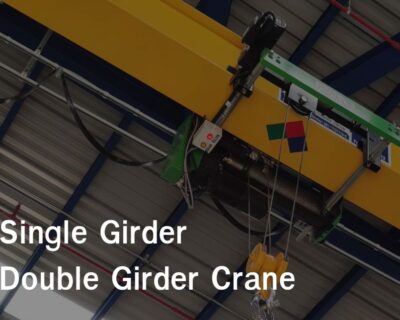
Mechanisms for Risk Reduction through Systematic Inspection Overhead cranes and electric hoists are subjected to continuous high-stress loads, rendering metal fatigue and wear inevitable. Professional inspections address these vulnerabilities through the following:
Prevention of Mechanical Failure: Focus is placed on high-stress components:
Wire Ropes and Chains: Inspection for elongation, fractures, or abnormal stranding, which indicate potential failure.
Hooks: Examination for throat opening or fractures in the shank, which can compromise structural integrity.
Braking Systems: Validation of braking performance to prevent load slippage during emergency stops.
Maintenance of Electrical Safety Systems: To prevent accidents caused by sensor failure, inspections confirm the operational status of:
Limit Switches: Preventing structural collisions and over-travel.
Overload Limiters: Ensuring sensors effectively disengage operations when the Safe Working Load is exceeded.
Regulatory Compliance and Certification: Industrial regulations mandate that factory cranes undergo periodic inspections and load testing to obtain official safety certification (e.g., Form P.J. 1) issued by a certified mechanical engineer. Regular, systematic checks ensure compliance with the highest safety standards.
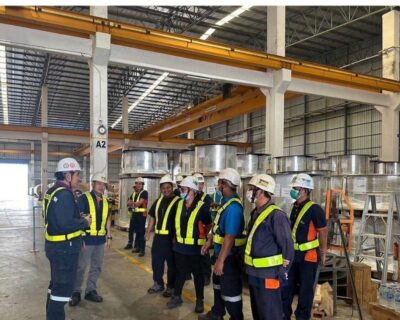
Why Choose ALLA for Crane Inspection and Maintenance Services? Optimal crane maintenance requires specialized expertise. ALLA provides comprehensive inspection and repair services for all crane types. Supported by licensed engineers and technicians trained to international standards, we utilize rigorous, precise checklists. We further provide expert consultation on preventive maintenance (PM) planning to extend the service life of your equipment and optimize long-term operational costs.
Frequently Asked Questions (FAQ)
Q: What is the recommended frequency for factory crane inspections?
A: Legal requirements mandate safety certification (P.J. 1) at least annually, or every 3–6 months, contingent upon the crane’s load capacity and operational intensity.
Q: What are the primary indicators that a crane requires immediate maintenance?
A: Should operators detect abnormal operational noise, erratic hoist movement, brake slippage (load drift), or oil leakage from the gearbox, operations must be suspended immediately, and professional inspection should be requested.